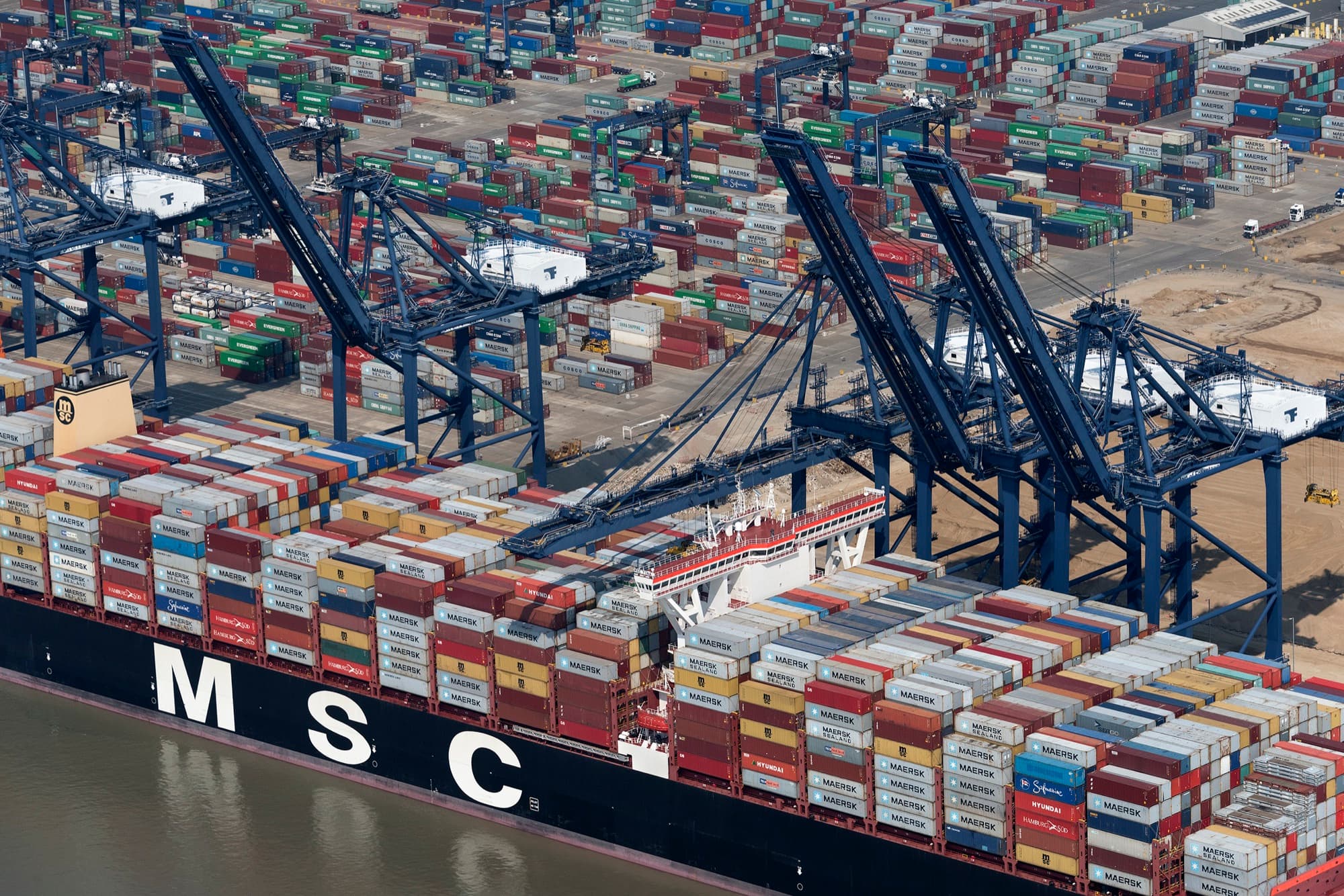
Vietnamese products.Verified African buyers.Transactions executed end-to-end.
TradeBridge connects qualified Vietnamese suppliers with verified buyers in Ghana, Nigeria and South Africa — from buyer identification and due diligence through negotiation, payment, logistics and repeat orders.
- Primary markets
- Ghana, Nigeria and South Africa
- Core export strength
- Spices and food-processing inputs — black pepper is our flagship
- Response to inquiries
- Within 48 hours
Connecting Vietnamese businesses with the African market.
We are not a directory or an introduction service.
- We identify genuine demand in selected African markets.
- We verify buyers and match them with qualified Vietnamese suppliers.
- We stay involved through negotiation, transaction execution and repeat orders.
We do not simply introduce buyers and sellers; we work alongside them until recurring orders are established.
Why TradeBridge exists
Verify
Buyer identity, capability and genuine demand.
How do you assess a buyer thousands of miles away?
Structure
Price, payment, financing, documentation and delivery.
How do you secure trade financing and payment?
Execute
Stay with the transaction until delivery and repeat business.
How do you turn an initial inquiry into a long-term supply contract?
Our core export strength.
Spices, seasonings & culinary processing inputs, with black pepper being our flagship product.
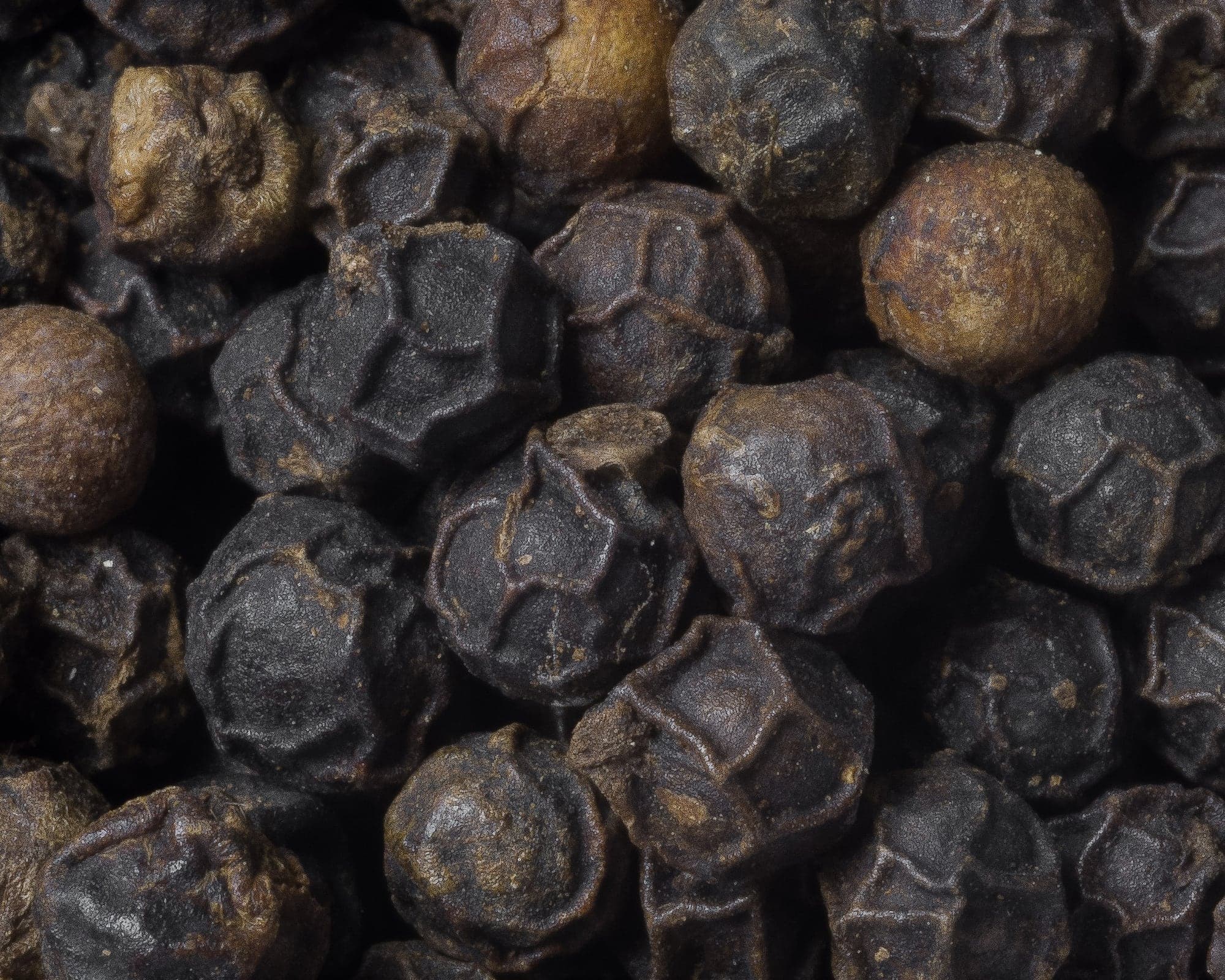
Flagship product
Black pepper
Sample specification — ground black pepper
- Origin
- Vietnam
- Form
- Ground powder
- Particle size
- 60 mesh, minimum 95% passing
- Sterilization
- Steam sterilized
- Moisture
- ≤ 12%
- Piperine
- ≥ 4.0%
- Volatile oil
- ≥ 1.0 ml/100 g
- Total ash
- ≤ 6.0%
- Acid-insoluble ash
- ≤ 1.2%
- Foreign matter
- ≤ 0.5%
- Packing
- 25 kg/bag
Also available on request

Agricultural inputs & farm machinery
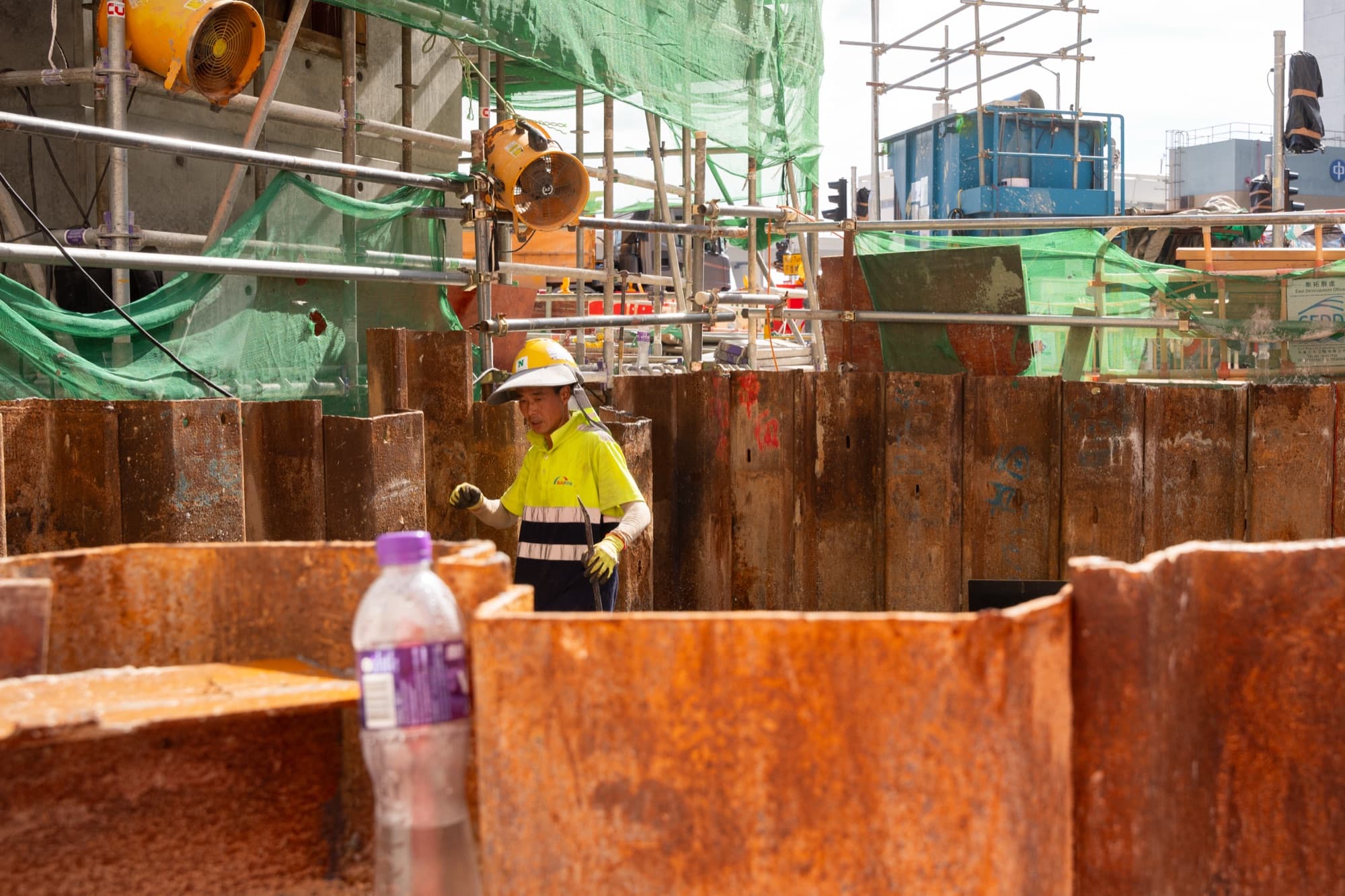
Workwear, safety footwear & industrial uniforms

Architectural hardware & structural building fittings
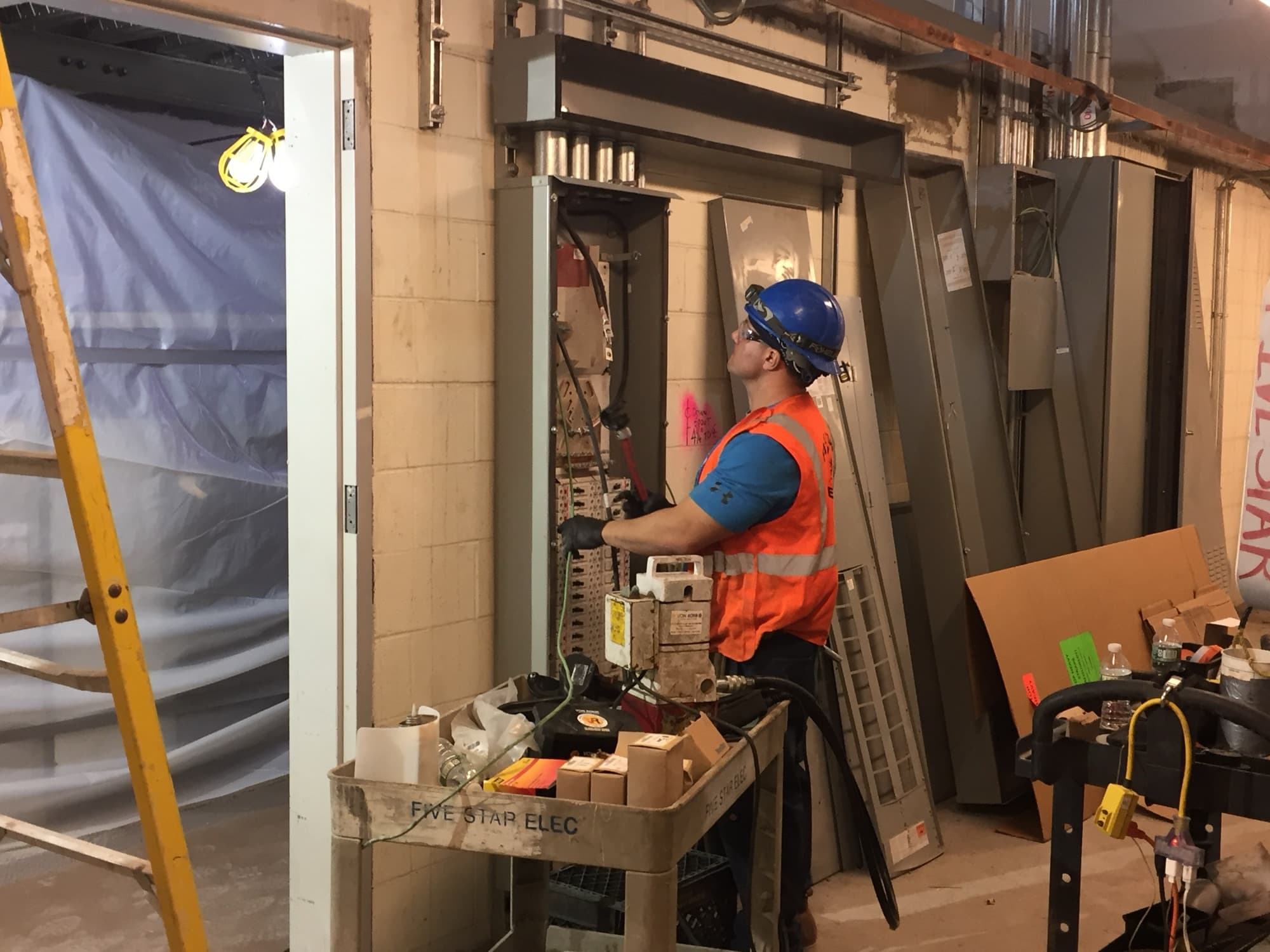
Electrical wiring accessories & power distribution essentials
Primary markets.
Our current market coverage is primarily in Ghana, Nigeria and South Africa.

Ghana
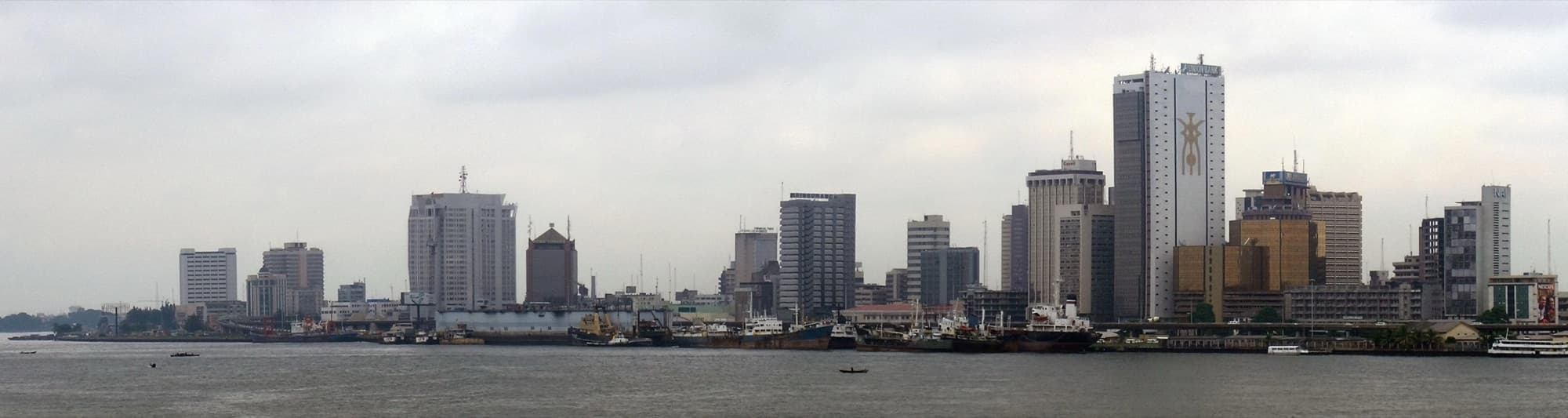
Nigeria

South Africa
A reliable 6-stage process.
To ensure transparency, every VNTB transaction follows a structured process.
One of our key advantages is that our team has a presence in both Vietnam and Africa. Having representatives in the respective markets makes buyer verification and trade development more practical and efficient.
Supplier assessment
Analyze factory capacity, product certifications, export readiness, MOQ (minimum order quantity), pricing, quality standards, and commercial terms.
Buyer verification
Find a suitable buyer; verify identity, commercial capacity and seriousness.
Supplier matching
Identify qualified Vietnamese manufacturers/exporters.
Commercial structuring
Price, MOQ, samples, payment, financing, documentation and Incoterms.
Execution
Order, inspection, shipping, customs/documentation and delivery.
Repeat business
Resolve issues, reorder and develop longer-term supply arrangements.
Illustrative transaction.
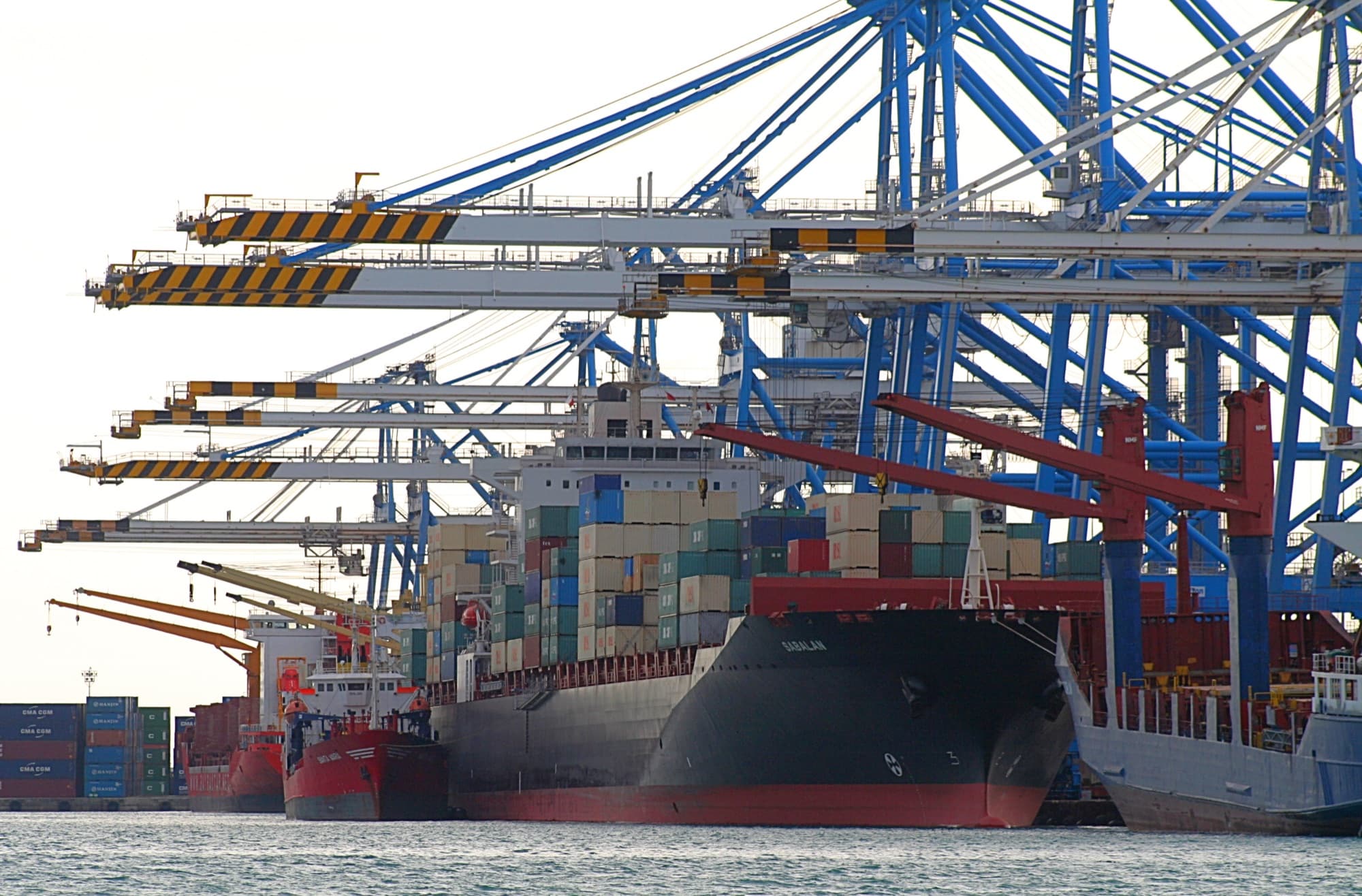
50MT of ground pepper
Accra, Ghana
- 1
Buyer requirement
A client from Accra, Ghana, needed a supplier of ground pepper with a required quantity of 50 MT, as their current supplier's supply was insufficient.
- 2
Verification
VNTB personnel on the Africa side verified that it was a valid inquiry, based on the customer's identity and business activities.
- 3
Supplier matching
VNTB personnel used resources in Vietnam to search for a suitable supplier.
- 4
Commercial structuring
VNTB connected the qualified supplier with the qualified buyer.
- 5
Execution
All sides negotiated price, terms and contracts, and VNTB followed up to ensure the transaction and delivery were completed.
- 6
Repeat order
Thanks to VNTB's existing strengths and timely support, the client found a suitable supplier and resolved the supply shortage, both at that moment and for the future.
Get a response within 48 hours.
Frequently asked questions.
Which African countries do you cover?
Our current market coverage is primarily in Ghana, South Africa, and Nigeria.
Which sectors do you specialize in?
We focus on spices, seasonings & culinary processing inputs, with ground pepper being our flagship product.
Besides, we also have resources in the following industries: agricultural inputs & farm machinery (fertilizers, crop protection/pesticides, low-cost farm tools, two-wheel tillers, and small-scale processors); workwear, safety footwear & industrial uniforms; architectural hardware & structural building fittings (door handles, locksets, hinges, aluminum profile accessories, glass fittings, fasteners); electrical wiring accessories & power distribution essentials (PVC conduits, surface sockets, breakers, junction boxes, switches, LED commercial fixtures).
Who are your African partners?
Our African contacts include: companies, importers and distributors, local business associations, logistics providers, customer and business verification partners, and local market representatives.
Vietnam Trade Bridge works with local contacts in African markets. These contacts help us communicate with potential buyers and, when required, verify information about customers and business partners before a transaction proceeds.
What have your teams accomplished?
Our activities are measured by completed commercial activities and transactions: a long list of qualified buyers identified; many Vietnamese suppliers supported, with transactions and repeat orders completed; many African markets reached.
Vietnam Trade Bridge does not ask exporters to rely solely on claims of market access. Success comes from buyer identification, verification, and the introduction of suitable banking or trade-finance solutions through qualified financial institutions.
What constitutes a qualified buyer?
A qualified buyer should meet the following criteria:
1. Identifiable business — The buyer can provide verifiable company information, registration details, contact information, and other relevant business information.
2. Relevant business activity — The buyer's business activities are relevant to the product being offered.
3. Defined product requirement — The buyer can provide specific information about the product, specifications, quantity, quality requirements, packaging requirements, target price or commercial expectations, delivery location, and required timeline.
4. Commercial capability — Where reasonably possible, we assess whether the buyer appears capable of completing the proposed transaction.
5. Decision-making authority — The contact person should be a decision maker or have a defined role in the purchasing process.
6. Willingness to proceed — The buyer should be willing to move from general interest to a specific commercial discussion.
Note: Buyer qualification reduces uncertainty but does not eliminate commercial risk.
Who bears the credit, regulatory, and delivery risks?
Buyer credit risk — The buyer and seller are responsible for agreeing payment terms. Vietnam Trade Bridge may assist with buyer identification and verification but does not guarantee payment unless this is expressly agreed in a separate written contract.
Product and regulatory risk — The exporter is responsible for ensuring that its products comply with applicable Vietnamese export requirements and the regulations of the destination country, including applicable certifications, labelling, product standards, and other requirements. Vietnam Trade Bridge may help identify relevant requirements and facilitate communication but does not assume responsibility for regulatory compliance unless otherwise agreed in writing.
Shipping and delivery risk — The buyer and seller should clearly agree on: Incoterms → Freight → Insurance → Customs → Delivery Responsibility → Risk Transfer. The party responsible under the agreed commercial terms bears the relevant logistics and delivery obligations.
Unless otherwise agreed in writing, Vietnam Trade Bridge does not assume the buyer's payment obligations or the seller's product liability.
Who are the contracting parties?
The Buyer and Supplier will enter into a separate Sale and Purchase Contract based on mutually agreed commercial terms and conditions.
VNTB acts as an independent trade facilitation and sourcing service provider and is not a party to the Sale and Purchase Contract. The Buyer and Supplier remain responsible for negotiating and performing their respective obligations under the Sale and Purchase Contract.
In addition, VNTB may enter into separate Service Agreements with the relevant Buyer and/or Supplier to define VNTB's services, service fees, payment terms and other applicable rights and obligations.
How will VNTB's service fee be calculated?
VNTB's service fee will be discussed and agreed for each transaction, taking into consideration factors such as transaction value, order volume, product type, scope of services and transaction complexity.
The Service Agreement may also include applicable service fees or fee mechanisms for repeat orders between the Buyer and Supplier, where agreed by the relevant parties.
How will the customer pay VNTB?
The service fee, payment method, currency, payment schedule and other applicable payment terms will be mutually agreed and documented in the relevant Service Agreement.
What happens if there is a gap between the Buyer's and Supplier's preferred payment terms?
Where there is a gap between the Buyer's and Supplier's preferred payment terms, VNTB may, where feasible, facilitate discussions between the relevant parties and introduce suitable banking or trade-finance solutions through qualified financial institutions.
Any financing arrangement will be subject to the approval, requirements and terms of the relevant financial institution. VNTB does not provide a financing commitment or payment guarantee unless expressly agreed in a separate written agreement.
How will freight, insurance and Incoterms be agreed?
Freight, insurance, Incoterms and other delivery terms will be negotiated and agreed between the Buyer and Supplier, with VNTB providing coordination and communication support where appropriate.
The final commercial and delivery terms will be subject to the mutual agreement of the Buyer and Supplier and will be documented in the Sale and Purchase Contract.
Who will handle disputes arising from an international trade transaction?
The Buyer and Supplier should first seek to resolve any dispute through good-faith negotiation or commercial mediation.
If the dispute cannot be resolved amicably, the parties may agree to arbitration administered by the Singapore International Arbitration Centre (SIAC) in accordance with the applicable SIAC Rules. If SIAC arbitration is agreed upon, the seat of arbitration shall be Singapore, and the language of arbitration shall be English. The applicable governing law and other relevant dispute resolution terms should be clearly specified in the relevant contract.
VNTB may provide coordination and communication support where appropriate but shall not be responsible for resolving disputes between the Buyer and Supplier unless expressly agreed in writing.
Contact.
- VNTB Operations
- Mrs. Miley Le